The Rise of Cloud 3.0: Hybrid and Sovereign Architectures in 2026
The Evolution of the Cloud Infrastructure
For the past decade, the cloud industry has been dominated by the 'public-first' mentality. Enterprises rushed to migrate workloads to hyperscalers, driven by the promise of infinite scale and lowered operational overhead. However, as we arrive in 2026, the narrative has shifted. We are witnessing the emergence of Cloud 3.0—an era defined not by where the compute lives, but by how it is governed, secured, and orchestrated across a fragmented landscape.
Cloud 3.0 represents the synthesis of hyperscale efficiency with the localized control of sovereign infrastructure. It is no longer enough to simply 'be in the cloud.' Organizations now demand the agility of the cloud with the physical and legal safeguards of on-premises data control. This shift is being driven by stringent regulatory environments, the rise of edge computing, and the necessity of data residency.
The Pillars of Cloud 3.0
At its core, Cloud 3.0 is built upon three foundational pillars: Hybrid Orchestration, Digital Sovereignty, and AI-Driven Infrastructure. Let's break these down.
1. Hybrid Orchestration
In 2026, the distinction between 'private' and 'public' has blurred. Modern architectures leverage a unified control plane that treats on-premises servers, edge nodes, and public cloud instances as a single, cohesive resource pool. This is achieved through advanced Kubernetes-native multi-cluster management, where workloads are dynamically placed based on latency, cost, and compliance requirements.
2. Digital Sovereignty
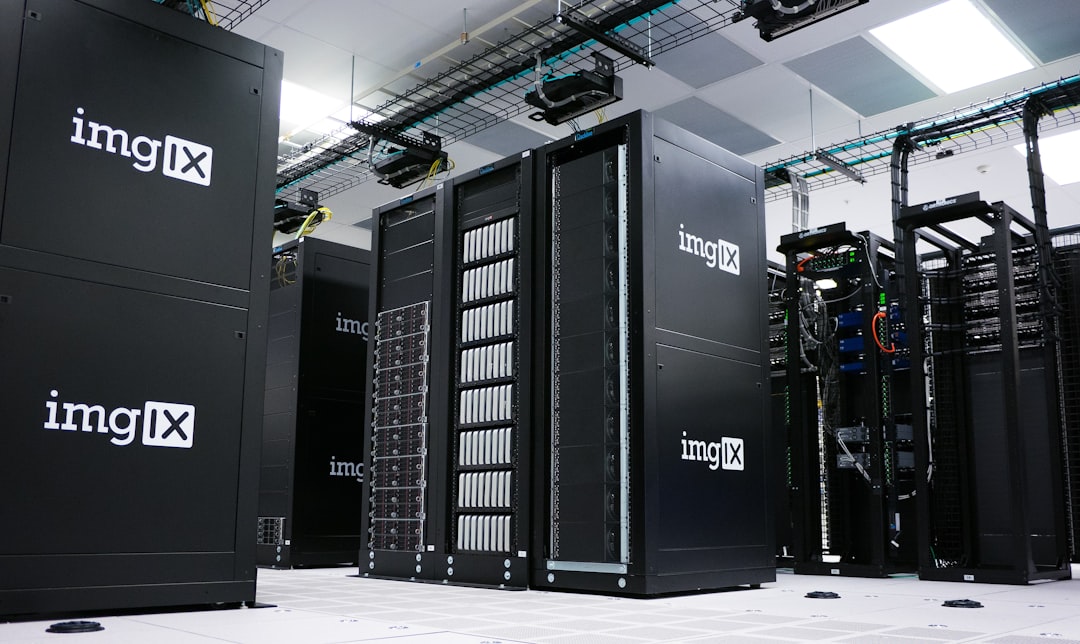
Sovereignty is the defining theme of this decade. Governments and private entities alike are demanding that data not only reside within specific geographic borders but also remain under the control of entities that are not subject to extraterritorial legal reach. This has led to the rise of 'Sovereign Clouds'—managed environments where hardware, software, and operational personnel are all localized.
3. AI-Driven Infrastructure
Infrastructure is no longer managed by human-led scripts alone. AIOps has matured into 'Autonomous Infrastructure,' where AI models predict traffic spikes, optimize energy consumption, and auto-remediate security vulnerabilities in real-time across the hybrid fabric.
Implementing Hybrid Architectures: A Practical Approach
To succeed in the Cloud 3.0 era, organizations must adopt a 'Platform Engineering' mindset. Instead of forcing developers to manage cloud-specific configurations, platform teams build internal developer platforms (IDPs) that abstract the complexity of the underlying hybrid infrastructure.
Consider the following snippet for a Kubernetes-based multi-cloud deployment strategy using Terraform, which serves as a foundation for hybrid governance:
resource "kubernetes_manifest" "sovereign_workload" { provider = "google-gke" metadata { name = "secure-data-processor" labels = { "sovereignty" = "eu-restricted" } } spec { template { spec { container { image = "secure-app:v2.0" resources { requests { cpu = "250m" memory = "512Mi" } } } } } } }This configuration ensures that sensitive workloads are tagged and routed to specific clusters that meet regulatory compliance standards, while non-sensitive microservices remain in the high-scale public cloud.
The Role of Sovereign Cloud Providers
The rise of Cloud 3.0 has birthed a new class of providers. Unlike traditional providers, these entities prioritize transparency and local control. They offer 'Sovereign Cloud' instances that are audited by local regulators and utilize hardware-level encryption that ensures even the cloud provider cannot access the encrypted data. This is crucial for industries like healthcare, finance, and government, where data privacy is non-negotiable.
Challenges in the Cloud 3.0 Transition
Despite the benefits, the transition to Cloud 3.0 is not without its hurdles:
- Increased Complexity: Managing a multi-cloud, hybrid, and sovereign environment requires a sophisticated skill set.
- Latency Constraints: As workloads move closer to the edge, maintaining consistent performance across disparate environments becomes difficult.
- Regulatory Fragmentation: Navigating the varying data laws across different regions requires robust legal and technical collaboration.
The Future: Decentralization
Looking beyond 2026, we expect the cloud to move toward an even more decentralized model. Peer-to-peer cloud computing and federated learning will likely become mainstream, reducing the reliance on central data centers. For companies operating in Albania and the broader Balkan region, this shift offers a unique opportunity to build regional cloud hubs that serve local businesses while adhering to European data protection standards.
Conclusion: Preparing for the Next Phase
The rise of Cloud 3.0 is not just a technological upgrade; it is a fundamental shift in how we conceive of digital assets. By embracing hybrid and sovereign architectures, businesses can protect their most valuable asset—their data—while still benefiting from the immense power of global scale. To thrive in this new era, organizations must prioritize:
- Unified Governance: Implementing policies that span across all environments, regardless of the underlying hardware.
- Vendor Neutrality: Avoiding lock-in by using open-source standards like Kubernetes and Terraform.
- Security-by-Design: Integrating encryption and identity management at the architectural level, rather than as an afterthought.
As we navigate the complexities of 2026 and beyond, the companies that succeed will be those that view infrastructure as a strategic differentiator rather than a commodity. The future of the cloud is hybrid, it is sovereign, and it is here.