Micro-fulfillment Centers: Revolutionizing Last-Mile Delivery for Small Shops
The Evolution of Modern Logistics
In the digital age, consumer expectations have shifted dramatically. The 'Amazon Effect' has conditioned shoppers to anticipate same-day or next-day delivery as the standard rather than the exception. For small and medium-sized enterprises (SMEs), keeping up with these demands while managing rising operational costs has become a Herculean task. Enter the Micro-fulfillment Center (MFC)—a transformative logistics strategy that is currently rewriting the rules of the game for local retailers and e-commerce brands alike.
Traditional logistics models relied on massive, centralized warehouses located on the outskirts of major cities. While efficient for long-term storage, these facilities are poorly equipped to handle the rapid-fire demands of urban last-mile delivery. MFCs change this by bringing the warehouse closer to the consumer, turning small urban spaces into hyper-efficient fulfillment hubs.
What Exactly is a Micro-fulfillment Center?
A Micro-fulfillment Center is a small-scale, highly automated storage and picking facility, typically ranging from 5,000 to 15,000 square feet. Unlike massive distribution centers, MFCs are designed to be integrated into existing retail footprints, such as the back of a physical store, or repurposed urban real estate like abandoned warehouses or parking structures.
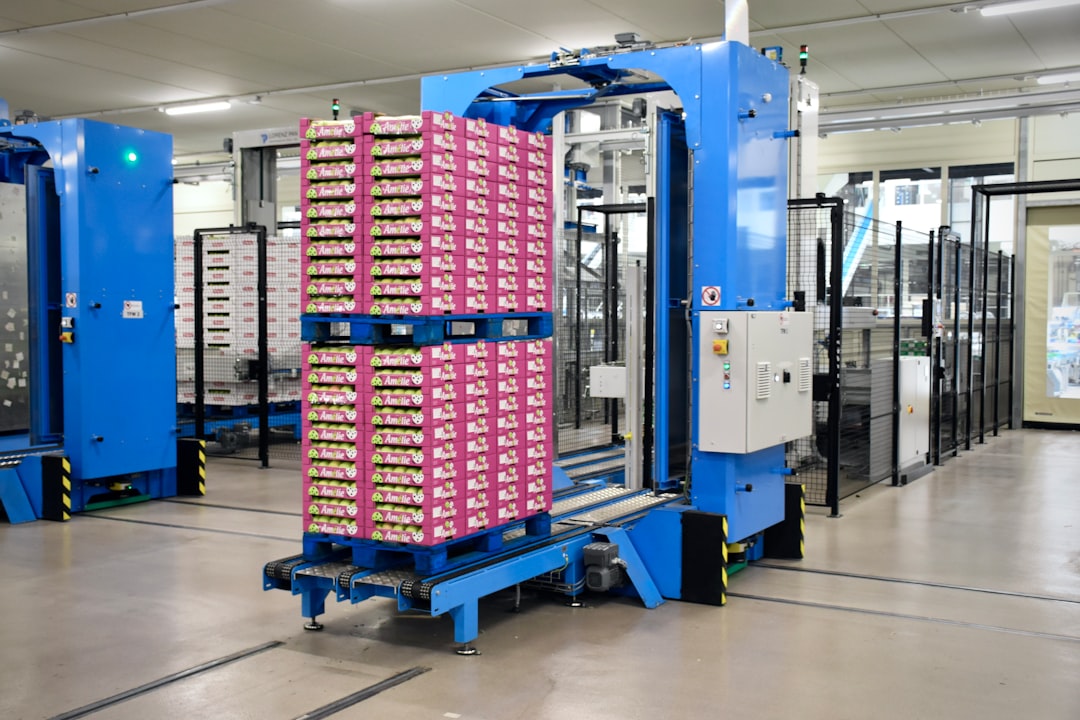
These centers are characterized by high-density storage solutions, such as automated storage and retrieval systems (AS/RS), and the use of robotics to pick and pack orders. By placing these facilities in densely populated areas, companies can drastically reduce the travel time for delivery vehicles, thereby lowering shipping costs and carbon footprints.
Key Benefits for Small Businesses
- Reduced Last-Mile Costs: By shortening the distance between the product and the customer, businesses save significantly on fuel and delivery personnel costs.
- Faster Delivery Cycles: Proximity enables same-day or even two-hour delivery windows, which is a major competitive advantage against giant retailers.
- Inventory Optimization: MFCs allow brands to hold stock closer to demand hotspots, reducing the risk of stockouts during peak shopping seasons.
- Improved Customer Experience: Faster delivery leads to higher customer satisfaction scores and increased repeat purchase rates.
The Technology Behind the Revolution
The success of an MFC is not just about real estate; it is about the software stack that powers it. Managing inventory in a small, high-density space requires sophisticated warehouse management systems (WMS) that can handle real-time data synchronization. When an order is placed on a website, the WMS must instantly identify the closest MFC, check real-time stock levels, and trigger an automated picking sequence.
Furthermore, artificial intelligence (AI) plays a critical role in demand forecasting. By analyzing local purchasing trends, these systems can predict exactly which items need to be stocked in which MFC, ensuring that capital is not tied up in slow-moving inventory. This precision is what allows small shops to operate with the efficiency of a global logistics giant.
Challenges and Considerations for Implementation
While the benefits are clear, transitioning to an MFC model is not without its hurdles. Small businesses must carefully evaluate several factors before investing in this infrastructure:
- Capital Expenditure: Implementing automated picking systems requires an upfront investment that may be prohibitive for some smaller players.
- Real Estate Constraints: Finding suitable space in high-density urban zones can be difficult and expensive due to rising commercial rent prices.
- Technical Integration: Connecting an MFC to existing e-commerce platforms, ERP systems, and third-party delivery apps requires a robust and scalable IT backbone.
- Labor Management: While MFCs focus on automation, they still require a skilled workforce to manage the technology, handle exceptions, and oversee quality control.
The Role of Third-Party Logistics (3PL) Partnerships
For many small shops, building an in-house MFC is not feasible. This is where the rise of 'Fulfillment-as-a-Service' providers comes into play. These 3PL companies offer shared MFC space, allowing multiple brands to utilize the same high-tech infrastructure. This model lowers the barrier to entry, enabling SMEs to tap into professional logistics networks without the massive capital outlay of building their own facilities.
Choosing the right partner is crucial. Businesses should look for providers that offer transparent API access, flexible contract terms, and a proven track record in urban logistics. As the market matures, we expect to see more 'logistics-as-a-service' platforms that integrate seamlessly with popular e-commerce engines like Shopify, WooCommerce, and Magento.
Future Trends: Autonomous Delivery and Urban Logistics
Looking ahead, the integration of MFCs with autonomous delivery technologies—such as drones and sidewalk robots—promises to drive down costs even further. Imagine an MFC where robots pick an order, and a sidewalk bot retrieves it from a loading bay to deliver it to a customer three blocks away. This future is closer than we think, and it is being built on the foundation of the micro-fulfillment model.
Moreover, sustainability is becoming a core pillar of these operations. By reducing the number of long-haul trucks needed to distribute goods to city centers, and by utilizing electric delivery fleets for short-distance trips, MFCs are helping cities achieve their climate goals while keeping local economies vibrant.
Conclusion: Embracing the Shift
Micro-fulfillment centers represent a fundamental shift in how goods are moved in the modern economy. For small shops, they offer the only viable path to competing on speed and convenience in a landscape dominated by e-commerce giants. While the transition requires careful planning and a strategic approach to technology, the long-term rewards—improved margins, loyal customers, and a more resilient supply chain—are well worth the effort.
As we continue to navigate the complexities of supply chain management at TechAlb, we encourage business owners to start small. Evaluate your current shipping data, identify your highest-density customer zones, and explore how a localized fulfillment strategy could transform your business. The future of retail is local, and it is faster than ever.
Key Takeaways
- MFCs bring the warehouse to the consumer, enabling rapid delivery.
- Automation and AI are the engines that make small-space fulfillment profitable.
- Small businesses can leverage 3PL partners to access MFC infrastructure without massive upfront costs.
- The integration of MFCs with autonomous delivery will further optimize the last-mile chain.