The Future of Dining: Enhancing Guest UX with Smart Digital Menus
The Evolution of the Table Experience
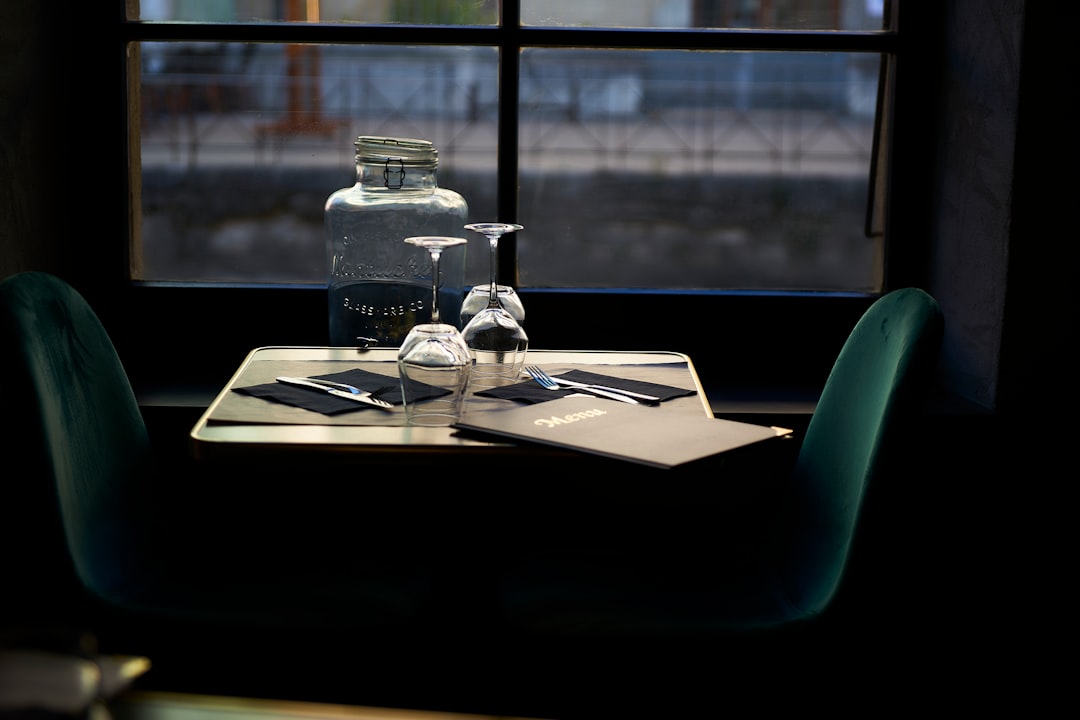
For decades, the restaurant industry relied on the humble, static paper menu. While iconic, these physical documents have long been a bottleneck in the guest journey. They are expensive to reprint, difficult to update in real-time, and offer zero interactivity. Today, at TechAlb, we are observing a massive shift as hospitality businesses transition toward smart digital menus. This isn't just about moving from paper to screens; it is about fundamentally rethinking the guest's interaction with the culinary experience.
Defining the Smart Digital Menu
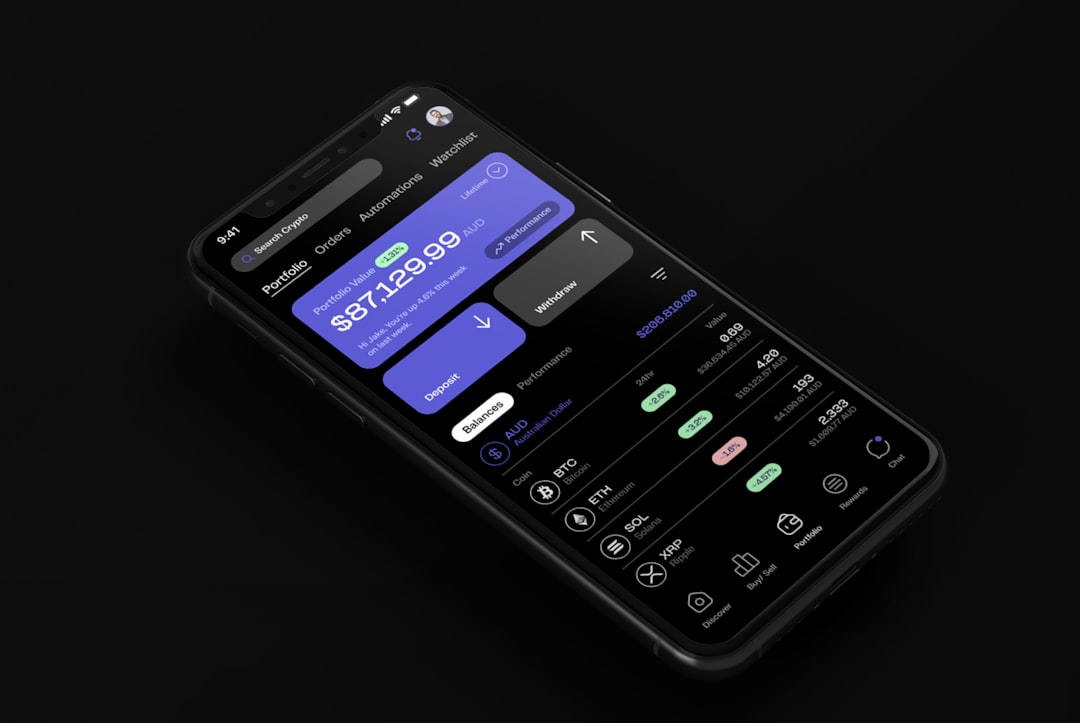
A smart digital menu is more than a PDF displayed on a tablet. It is a dynamic, data-driven application that integrates with Point of Sale (POS) systems, inventory management, and customer relationship management (CRM) tools. It empowers guests to browse, customize, order, and pay—all from their own devices or dedicated restaurant hardware. By leveraging intuitive UI/UX design, these systems transform the act of ordering from a transactional necessity into an engaging part of the dining narrative.
The Core Benefits of Digital Menus for UX
Improving User Experience (UX) in a restaurant setting is about reducing friction. When a guest walks into a restaurant, they want to feel informed, cared for, and in control of their time. Smart menus achieve this through several key pillars:
- Real-Time Availability: Nothing frustrates a diner more than ordering a signature dish only to be told five minutes later that it is sold out. Smart menus sync with kitchen inventory, automatically removing unavailable items.
- Visual Storytelling: High-definition imagery and short-form video content allow the food to speak for itself. A static description of a 'truffle risotto' cannot compete with a close-up, high-quality photograph that highlights the texture and presentation.
- Personalization Engines: By integrating with loyalty programs, smart menus can suggest dishes based on past preferences, dietary restrictions, or even the current weather. If a guest is a regular, the system knows they prefer sparkling water over still, and suggests their favorite appetizers first.
- Seamless Customization: Digital interfaces allow for complex modifications (e.g., 'no onions,' 'extra spice,' 'gluten-free crust') without the risk of miscommunication between the server and the kitchen staff.
Reducing Cognitive Load
Psychology plays a huge role in dining. 'Choice paralysis' is a real phenomenon where too many options overwhelm the guest, leading to slower ordering times and lower satisfaction. Smart digital menus can combat this by using progressive disclosure—showing only essential information upfront and allowing users to expand categories for more details. They can also highlight 'Chef’s Recommendations' or 'Pairing Suggestions' to guide the guest toward a decision, making the process smoother and more enjoyable.
The Technical Architecture Behind the Screen
At TechAlb, we approach digital menu development with a focus on performance and accessibility. A digital menu must be lightning-fast. If a guest has to wait for a page to load, the magic of the experience evaporates. We prioritize mobile-first design, ensuring that the interface is responsive across all devices, from high-end tablets to budget smartphones.
Furthermore, these systems must be built with robust APIs. The menu is only as good as the data it pulls from the backend. By ensuring a bi-directional flow of data, we ensure that a price change in the office is reflected instantly on the table, and that an order placed by a guest is instantly printed on the kitchen’s KDS (Kitchen Display System).
Enhancing Operational Efficiency for Staff
While the focus is on the guest, the impact on restaurant staff is equally profound. Traditional paper menus require servers to spend a significant portion of their time reciting specials, explaining ingredients, and taking orders. By offloading these tasks to a smart menu, staff can transition into a 'hospitality-first' role. They become ambassadors of the brand, focusing on table service, wine recommendations, and ensuring the guest feels welcomed, rather than acting as a glorified order-taking conduit.
Data-Driven Insights
The beauty of a digital system is the analytics it generates. Restaurant owners can track which items are viewed most frequently, which items are clicked but not ordered (indicating a potential pricing or description issue), and how long guests spend on each page. This data is gold for menu engineering. If a dish isn't performing, the restaurant can change its placement or description instantly to see if conversion rates improve. This agility is impossible with printed menus.
Overcoming Challenges and Building Trust
Of course, technology in hospitality is not without its skeptics. Some argue that digital menus remove the 'human touch.' However, we believe the opposite is true. Technology, when implemented correctly, removes the mundane parts of the service, allowing the human staff to provide a more meaningful connection. The key is in the design—the interface should be elegant, intuitive, and respectful of the dining atmosphere.
Accessibility is another crucial factor. A smart menu must cater to everyone. This means high-contrast text, screen reader support, and multi-language capabilities. By making the menu accessible, restaurants open their doors to a wider demographic, ensuring that everyone feels comfortable and empowered to order.
The Future: AI and Beyond
As we look forward, the integration of Artificial Intelligence into digital menus will redefine personalization. Imagine a menu that adjusts its tone of voice based on the time of day—vibrant and energetic for brunch, sophisticated and calm for dinner. We are also seeing the rise of Augmented Reality (AR) menus, where guests can point their phones at a dish name and see a 3D projection of the meal on their table. While currently in the early stages, these technologies will soon become standard.
Conclusion: Embracing the Digital Transformation
The restaurant industry is at a crossroads. As consumer expectations shift toward convenience, personalization, and digital-first interactions, restaurants that cling solely to traditional methods risk falling behind. Smart digital menus are not just a trend; they are a necessary evolution that bridges the gap between culinary art and modern technology.
By enhancing guest UX, streamlining kitchen operations, and leveraging data to make informed decisions, restaurants can create a more profitable and enjoyable dining environment. At TechAlb, we are committed to helping businesses navigate this transition, ensuring that technology serves the guest, not the other way around. The future of dining is here—is your restaurant ready to serve it?
Key Takeaways for Restaurant Owners
- Start with UX: Design your digital menu with the guest's perspective in mind, focusing on simplicity and clarity.
- Integrate Your Systems: Ensure your menu is synced with your POS and inventory for real-time accuracy.
- Leverage Data: Use analytics to track performance and refine your menu offerings continuously.
- Humanize the Tech: Use the time saved by automation to elevate the quality of your in-person service.
- Prioritize Mobile: Ensure your menu is fully responsive and performs flawlessly on guest smartphones.