Why Your Restaurant Needs an Interactive QR Menu in 2026
The Evolution of the Modern Dining Experience
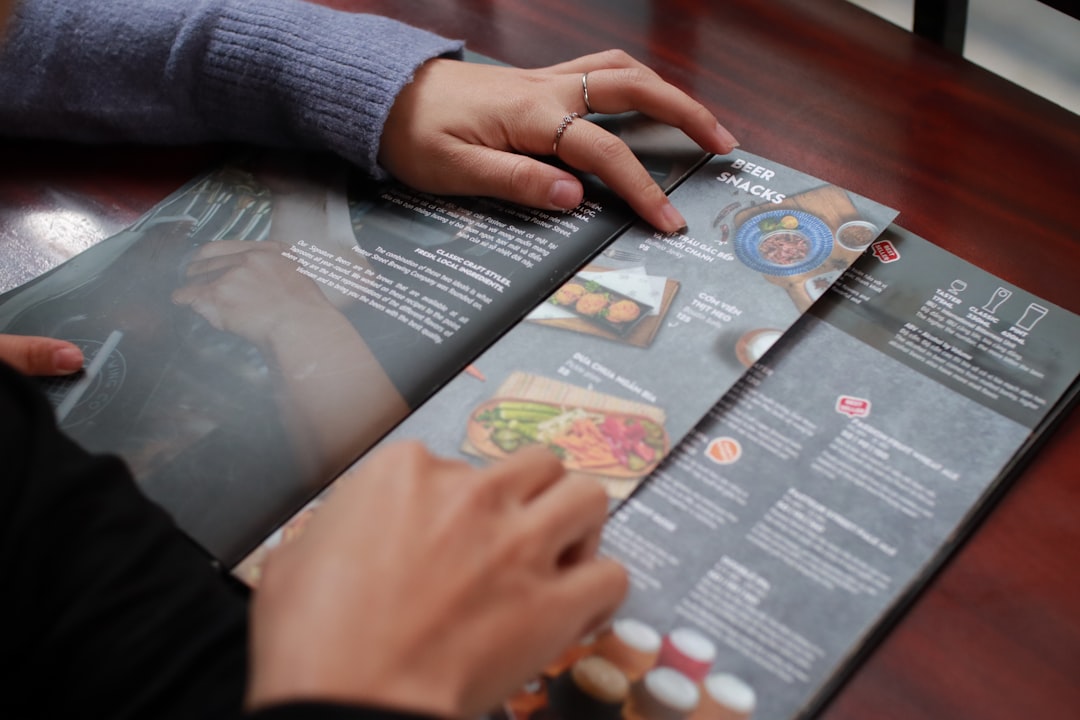
In 2026, the restaurant industry is fundamentally different from what we knew just a few years ago. The transition from static, paper-based menus to dynamic, digital interfaces has been accelerated by consumer demand for convenience, speed, and personalization. If your restaurant is still relying on traditional laminated menus, you are missing out on a critical opportunity to modernize your operations and boost your bottom line.
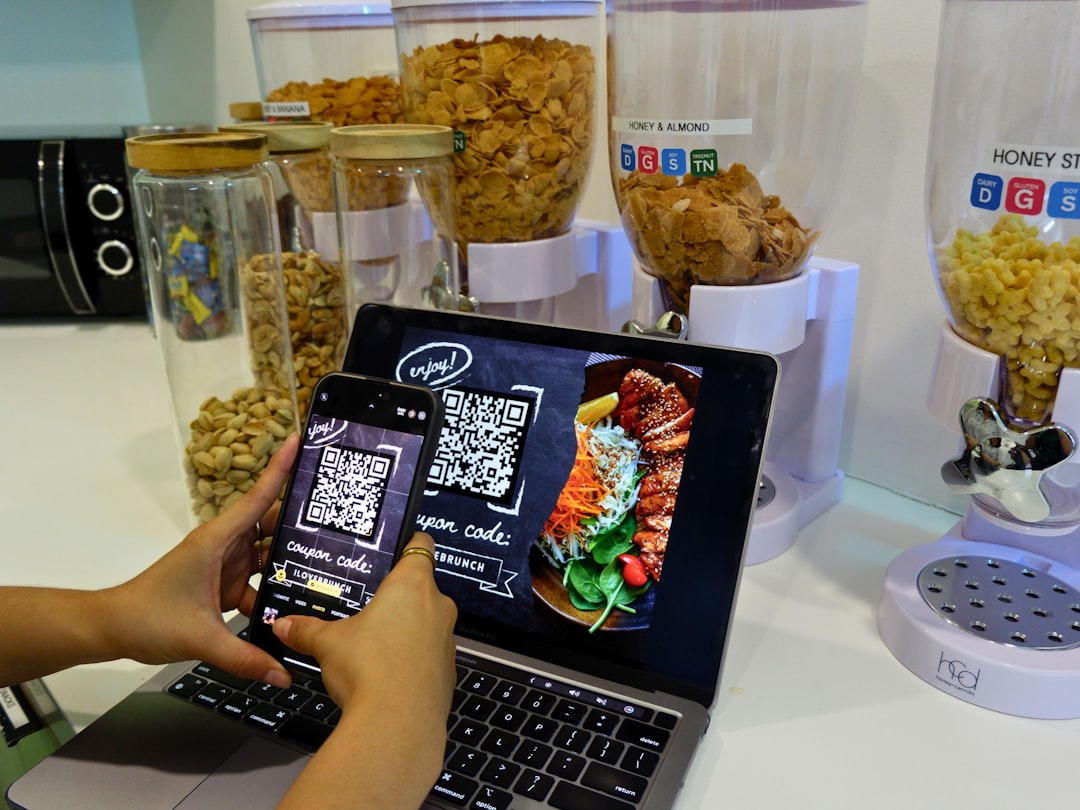
At TechAlb, we have observed that the most successful dining establishments are those that embrace technology not as a gimmick, but as a core component of their service strategy. An interactive QR menu is the bridge between your kitchen and the modern smartphone-toting diner. It is not just about replacing paper; it is about creating an ecosystem that anticipates customer needs before they even raise their hand.
Why 2026 Demands Digital Transformation
The landscape of hospitality has shifted toward high-efficiency, high-satisfaction models. Customers today expect friction-less interactions. They want to see photos, read allergen information, and customize their orders without waiting for a server who might be busy with three other tables. By implementing an interactive QR menu, you empower your customers to take control of their ordering journey, which in turn frees up your staff to focus on hospitality rather than order taking.
The Tangible Benefits of QR Technology
Beyond the trendiness, there are hard, data-driven reasons to make the switch. Let’s break down the primary advantages that an interactive menu provides in the current market.
1. Real-Time Menu Management
Have you ever had a customer order a dish only to have a server return five minutes later to say it is sold out? It is a frustrating experience for both parties. With a digital QR menu, updates are instantaneous. If your kitchen runs out of a specific ingredient or you decide to add a daily special at 6:00 PM, you can update your menu across every table instantly. This level of agility is impossible with printed materials.
2. Increased Average Order Value (AOV)
Digital menus are essentially silent salespeople. Through psychological design and strategic placement, you can use your QR menu to drive up-selling and cross-selling. For example, when a guest selects a burger, a well-designed interactive menu can automatically suggest a premium side, a specific craft beer pairing, or an extra dipping sauce. Studies show that digital ordering interfaces can increase average ticket sizes by 15% to 25% simply by providing visual prompts at the point of decision.
3. Enhanced Customer Insights and Data Analytics
Do you know which items on your menu are the most popular at 2:00 PM versus 8:00 PM? With a traditional paper menu, you are guessing. With an interactive QR menu, you have access to a dashboard of analytics. You can see exactly what guests are looking at, how long they spend on specific categories, and which items are frequently clicked but rarely ordered. This data is gold for menu engineering and cost control.
Improving Operational Efficiency
The labor shortage remains one of the biggest challenges for the restaurant industry in 2026. By automating the ordering process, you can maintain high service standards even with a leaner staff. The QR menu acts as a force multiplier for your front-of-house team.
- Reduced Human Error: Orders go directly from the customer's device to the Kitchen Display System (KDS), eliminating the risk of misheard orders or handwriting errors.
- Faster Table Turnover: By removing the time spent waiting for servers to take orders or bring the check, you can increase your seat occupancy rates throughout the evening.
- Improved Staff Morale: Your servers can spend their time delivering high-quality service and engaging with guests, rather than acting as human data-entry terminals.
The Role of Personalization
In 2026, personalization is the gold standard. A sophisticated interactive menu can remember a returning customer's preferences, highlight gluten-free options based on pre-set filters, or even offer loyalty rewards directly through the ordering interface. This creates a tailored experience that makes the guest feel valued and understood, significantly increasing the likelihood of repeat business.
Addressing Common Concerns: The Human Touch
One of the most common counter-arguments we hear at TechAlb is the fear that technology will replace the human element of dining. It is vital to clarify that a QR menu is not intended to remove your staff; it is intended to augment them. By handling the transactional aspects of the meal, you allow your staff to focus on the experiential aspects—explaining the wine list, checking in on the quality of the meal, and adding that personal touch that keeps customers coming back. The technology handles the efficiency, while your people handle the hospitality.
Implementing Your Strategy for Success
If you are ready to make the switch, here are the steps to ensure a smooth transition:
- Choose the Right Platform: Look for a solution that integrates seamlessly with your existing POS system.
- Focus on UX/UI: Your menu should be mobile-optimized, fast-loading, and visually appealing. High-quality photography is non-negotiable in 2026.
- Staff Training: Your team should be the biggest advocates for the new system. Teach them how to explain the benefits to guests who might be less tech-savvy.
- Feedback Loop: Use the analytics to iterate. If a section of the menu isn't performing, change it. Treat your digital menu as a living, breathing document.
Conclusion: The Future is Digital
As we navigate through 2026, the restaurant industry continues to lean into digital solutions that provide value, speed, and clarity. An interactive QR menu is no longer just an innovative choice—it is a competitive necessity. By reducing overhead, increasing order values, and providing invaluable data, it positions your restaurant to thrive in an increasingly digital world. Don't let your business fall behind; embrace the technology that your customers are already asking for.
The businesses that win in the coming years will be those that master the balance between high-tech efficiency and high-touch hospitality.