How to Integrate AI into Your Development Workflow
The Paradigm Shift in Modern Development
The landscape of software engineering is undergoing its most significant transformation since the invention of the IDE. Artificial Intelligence is no longer just a futuristic concept; it is a pragmatic, daily companion for developers worldwide. At TechAlb, we believe that integrating AI into your development workflow is not about replacing the human engineer, but about augmenting your capabilities to become a 10x developer. In this guide, we will explore how to transition from traditional coding to an AI-assisted workflow effectively.
Phase 1: Getting Started with AI Pair Programmers
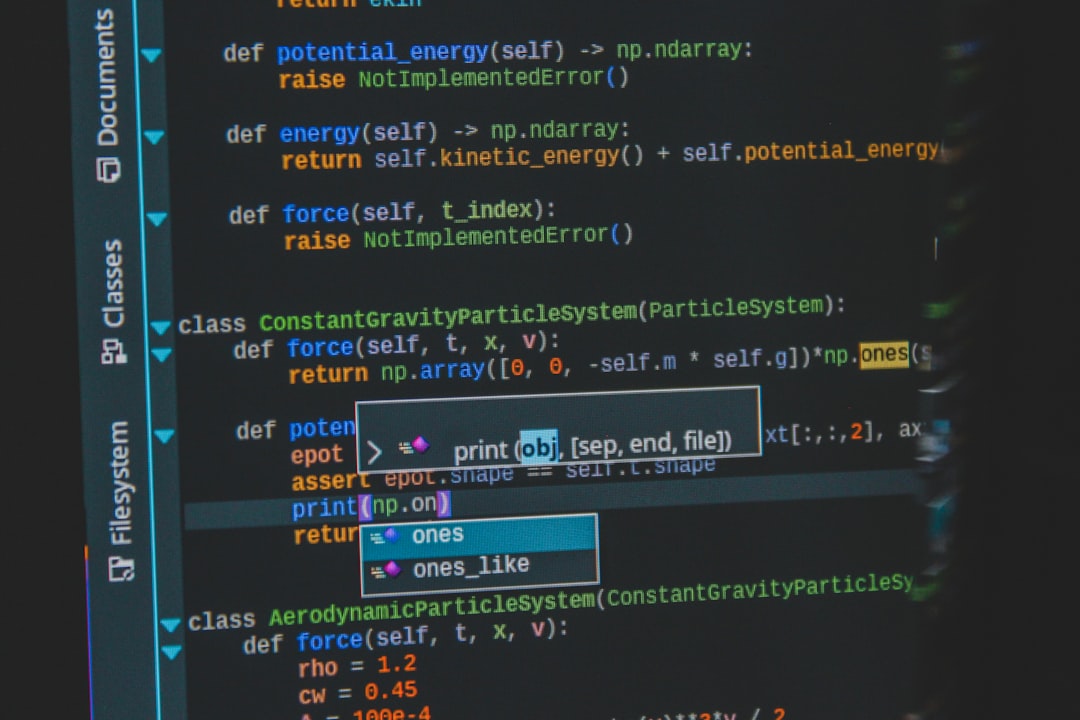
The most immediate impact of AI in development comes from intelligent code completion tools like GitHub Copilot, Cursor, or Tabnine. These tools analyze the context of your entire project to suggest entire functions, unit tests, and boilerplate code in real-time. To begin, treat these tools as an extension of your thought process rather than a magic wand.
- Context is King: Always keep your active files clean. AI models work best when they have a clear understanding of your current module's scope.
- Review, Don't Just Accept: The 'Tab' key is dangerous if you stop being critical. Always treat AI-generated code as a junior developer's pull request—review it for security, performance, and style.
- Natural Language Prompts: Learn to write comments that describe the intent. Instead of typing code, type a clear comment like
// Create a function that fetches user data from the API and handles 404 errors, and watch the AI scaffold the logic for you.
Phase 2: Automating the Mundane
One of the greatest drains on a developer's energy is boilerplate code. Whether it is setting up API endpoints, writing repetitive unit tests, or configuring database schemas, AI excels at these repetitive tasks. By delegating these chores to an AI assistant, you reclaim hours of focused time for high-level architectural design.
Consider this example for unit testing. Instead of writing boilerplate setup for your test suites, you can prompt your AI assistant:
// Prompt: Generate a Jest test suite for this component, including cases for loading, success, and error states.The AI will likely generate 90% of the structure, allowing you to focus on the edge cases and business logic that truly matter. This is where automation meets intelligence, turning a 30-minute task into a 5-minute review process.
Phase 3: Leveraging AI for Code Refactoring and Debugging
We have all been there: staring at a legacy codebase, trying to understand a function written years ago by someone who is no longer at the company. AI tools are exceptional at 'code explanation.' You can highlight a complex block of logic and ask the AI to explain it in plain English. Beyond explanation, AI can suggest modern refactoring patterns.
AI is the ultimate tool for combating technical debt. By using LLMs to suggest cleaner, more efficient implementations of legacy logic, teams can gradually modernize their stacks without the fear of breaking existing functionality.
Phase 4: Best Practices for Security and Privacy
While AI is powerful, it is not without risks. As professional developers, we must maintain a high standard of security. Never feed sensitive API keys, proprietary algorithms, or personal user data into public AI models. Always ensure your team uses enterprise-grade versions of these tools where data privacy is guaranteed and your code is not used to train public models.
The Human-in-the-Loop Philosophy
The goal of integrating AI is to create a 'Human-in-the-loop' system. You remain the architect; the AI is your high-speed draftsman. Your role evolves from writing every character of code to curating and verifying high-quality solutions. This transition requires a shift in mindset: focus less on syntax and more on system design, security, and user experience. As the barrier to writing code lowers, the premium on sound engineering principles and architectural foresight increases. TechAlb encourages all developers to embrace this change, experiment with different tools, and find the rhythm that allows them to produce their best work. The future of development is collaborative—man and machine working in harmony to build the next generation of digital products.
By adopting these workflows today, you aren't just staying ahead of the curve—you are setting the standard for the next era of technology. Start small, integrate incrementally, and never stop questioning the machine's output.